Why Small Farms Keep Losing While Everyone Claims To Support Them
The sheep have noticed that America loves the idea of the small farm with the warm sincerity usually reserved for children’s books and almost none of the financial follow-through.
The sheep have been thinking about the strange American habit of loving small farms the way people love jazz, public libraries, and regional bookstores. Everyone glows warmly when discussing them. Then the actual money wanders off to something larger, shinier, and administratively terrifying.
According to Fancy Pants, the problem is not a lack of public affection. The problem is that affection behaves like a decorative gourd. It looks seasonal and heartfelt on the porch, then contributes very little once the weather changes. Simone put it more directly. “People support small farms in the same way they support clean rivers,” she said. “Emotionally, symbolically, and at a safe distance from the budgeting process.”
The sheep said the broader reality now feels painfully clear. Small family farms make up the overwhelming majority of farms in America, yet the economics keep tightening around them like a polite but determined boa constrictor. Costs rise. Margins narrow. Debt swells. The public still wants beauty, local food, open land, and the reassuring fantasy that someone somewhere is growing a real tomato with dignity. The farm, meanwhile, is expected to produce crops, preserve landscape, create jobs, host visitors, maintain character, and smile like a brochure with knees.
Marvin said this is how a civilization turns a farmer into a multi-platform content creator with a weed trimmer. Whitney called it “an extraction model wrapped in nostalgia.” Bruce and Frankie asked whether admiration could be monetized through a VIP flower bucket tier.
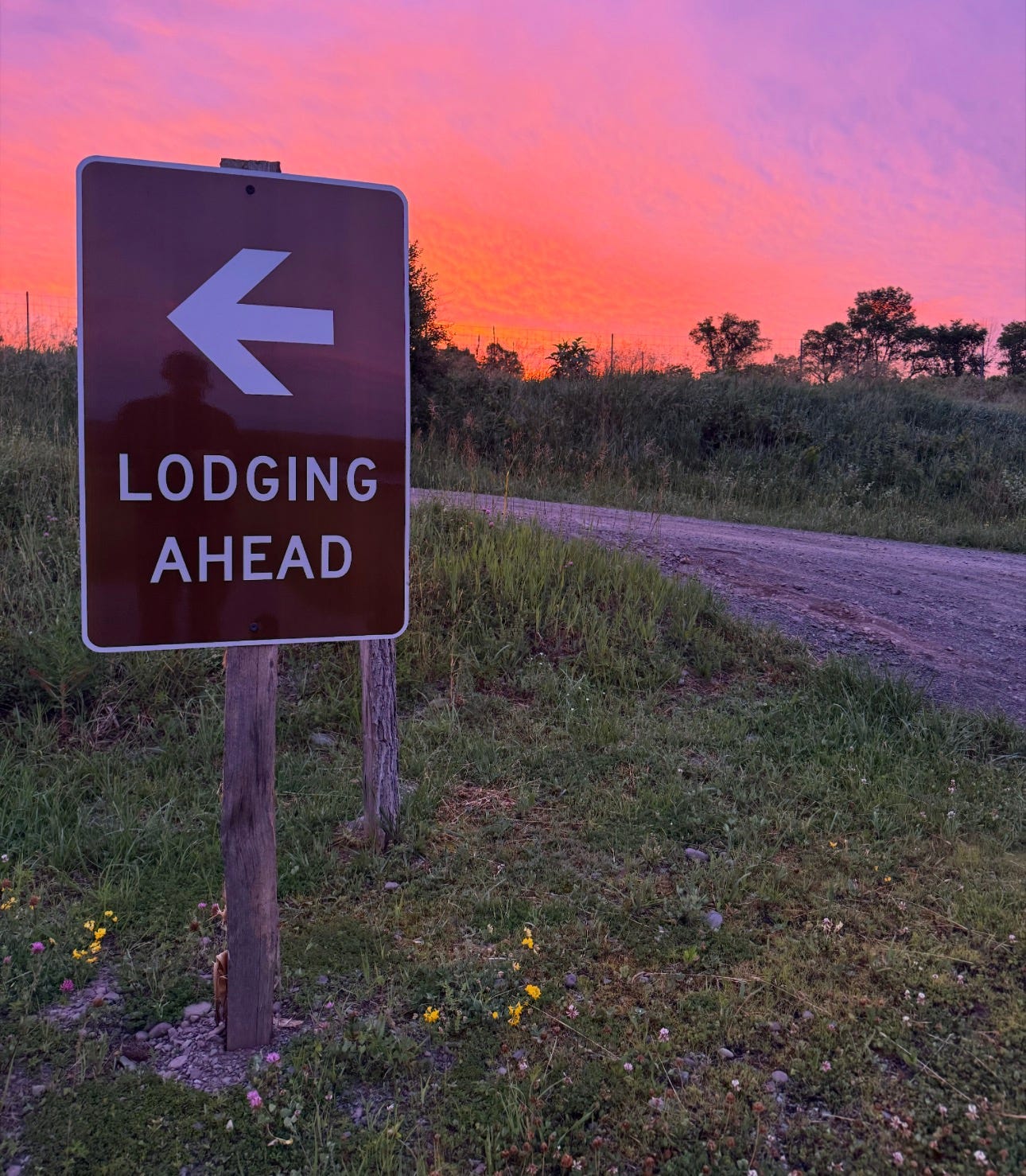
By sunset, the flock had reached a practical conclusion. Small farms keep losing because the country keeps asking them to carry economic, cultural, ecological, and emotional weight while funding them like a charming side character. Everyone says they matter. The sheep believe the future will belong to the farms that find a second business, a third revenue stream, and a stronger way to turn public love into something that can actually keep the gate on its hinges.


I gave my flock away a few years ago to a nice, young mexican american family who were climbing their way out of Ag slavery. Now they got a medium sized flock and the side hustle is selling to mexican restaurants. Sheep are helping the personal economy of at least one family, they went from leasing to owning 30 acres.
It’s kind of the same with small businesses—a small dental office in my case. People want a personal relationship and then also want cheaper care— on Saturdays and Sundays when it’s convenient for them and only want what their insurance covers ($1000 yearly benefit similar to 1970). Ease is winning, and I don’t like it. I get it. I just don’t think it’s going to be easier down the road.