

Airbnb and American Farmland Trust recently announced a program that sounds almost tailor-made for someone like me.
Through American Farmland Trust’s Brighter Future Fund, the new Farm to Stay Grant Program will distribute $250,000 to roughly 25 to 30 farmers and ranchers. Individual grants will range from $5,000 to $10,000 and can be used to start or expand overnight farm stays and agritourism experiences, including workshops, dinners and tours.
On the surface, I should love this.
I own a working farm. We built overnight accommodations on it. Agritourism became an important part of our business. I believe small farms desperately need new ways to make money, and I think inviting people onto farms can be one of the best opportunities available to them.
Still, if another farmer called me today and asked whether they should apply for this program, my advice would be simple: be very careful.
My concern has little to do with agritourism itself. I am as bullish on farm stays as anyone. My concern is what happens when a farmer takes something incredibly valuable, a direct relationship with a customer, and builds it inside a platform controlled by somebody else.
Airbnb says the program is designed to help farmers participate in growing demand for agricultural travel. The company says the typical farm-stay host on Airbnb earned about $8,000 in 2025, and U.S. farm stays collectively generated almost $120 million through the platform. Airbnb and American Farmland Trust are also offering workshops designed to teach farmers how Airbnb works, how to create listings and experiences, and how to get started hosting.
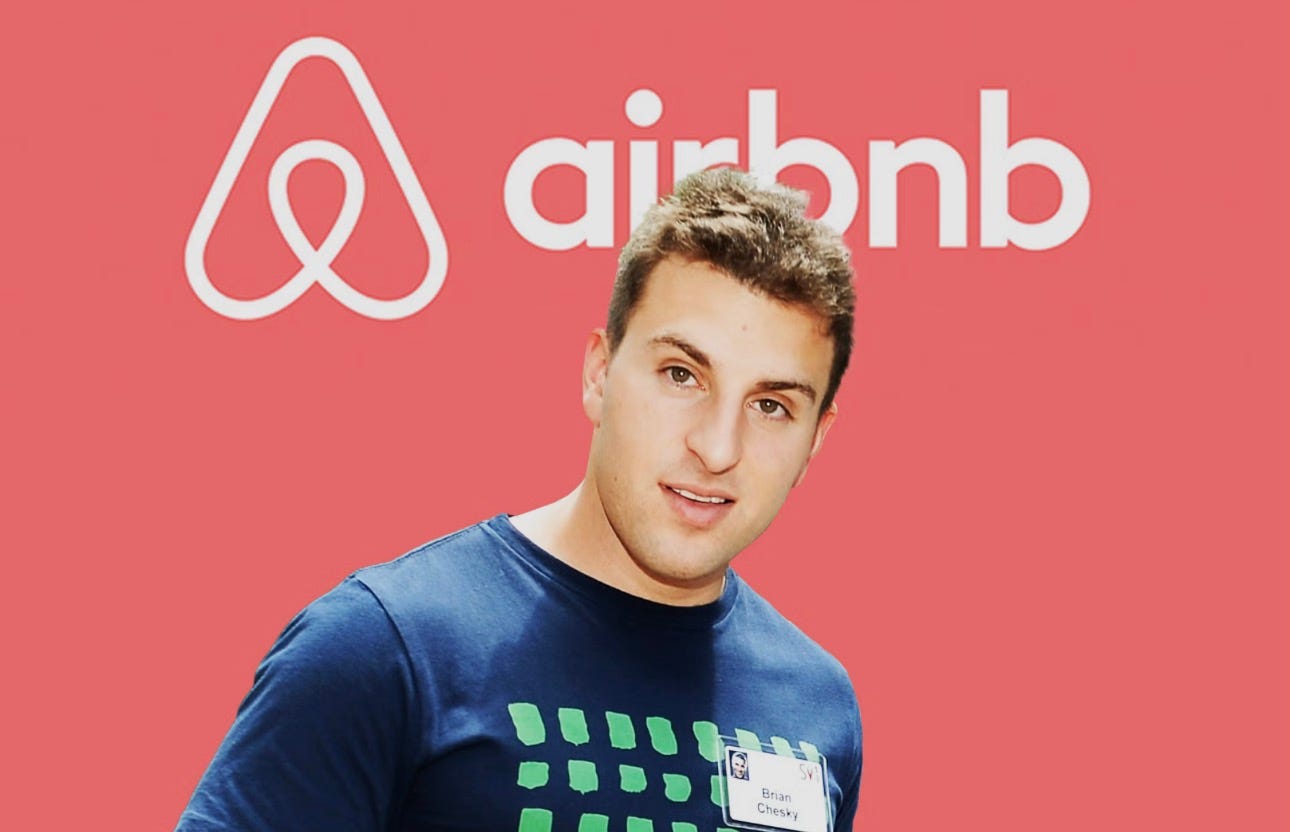
I understand the appeal. A farmer gets some money, builds or improves an experience, lists it on a massive travel platform, and suddenly has access to millions of potential guests.
The problem is that Airbnb is not simply helping farmers create businesses. Airbnb is also creating more supply for Airbnb.
That does not make the company evil. It makes Airbnb a business.
Farmers should approach the arrangement with the same clear-eyed understanding.
$10,000 Can Feel Like a Lot of Money
Anyone who has built anything on a farm knows how quickly $10,000 disappears. Septic, plumbing, electrical work, permits, insurance, furniture and construction can consume that amount before you have even bought sheets.
So I understand why the grant is attractive. When you are trying to make a farm work, somebody offering you $5,000 or $10,000 feels meaningful.
What I would encourage farmers to think about is the value of the business they might be creating over the next ten or twenty years.
A successful farm stay might eventually generate hundreds of thousands of dollars in revenue. Hundreds or thousands of people could visit your property. Some will return. Some will buy your products. Some will bring their children back every summer. Others will tell friends about you, follow your farm online, sign up for events, or come back years later.
That long-term relationship is worth far more than the initial booking.
It is also worth far more than the grant.
This is something I understand much better now than I did when we started North Star Farm.
When somebody stays at your farm, they are doing much more than renting a room. They are forming a relationship with the place. They meet you. They see the land. They learn the story. They remember the animals, the food, the sunrise, the fire pit, or whatever makes your particular farm special.
That relationship can compound for years. I would want to own as much of it as possible.
Farmers Have Enough Middlemen Already
Airbnb understandably wants bookings and communication to happen through Airbnb. Prospective guests generally communicate through its platform, make their reservations there, pay there and leave their reviews there.
That arrangement is convenient. It also means Airbnb sits squarely between the farmer and the customer.
For me, this is the part farmers should think about most carefully. Agriculture already has plenty of middlemen.
Farmers sell cattle to processors, milk through cooperatives, crops to commodity buyers and produce through distributors. In many areas of agriculture, the person actually growing or raising the product has surprisingly little control over what happens after it leaves the farm.
One of the things that makes agritourism so exciting is that it can finally change that relationship.
The customer comes directly to you. That is incredibly rare in agriculture.
When someone books a stay at your farm, suddenly you know the person consuming what you have created. They can become part of your community. You can stay in touch with them, invite them back for an event, tell them when blueberries are ready, sell them something later, or simply maintain a relationship with someone who genuinely cares about your farm.
That connection is an asset.
I would think very hard before placing a technology company permanently in the middle of it.
We Have Seen This Movie Before
There is a familiar pattern with technology platforms.
At first they solve a real problem. They bring small businesses customers that would have been difficult or expensive to find on their own. The arrangement feels almost magical.
Then the business becomes dependent on the platform.
Suddenly search rankings matter. Reviews matter. Algorithm changes matter. Account rules matter. Fees matter. A suspension can matter enormously. The business still feels independent, but an increasing amount of its revenue depends on decisions being made by a company it does not control.
Amazon sellers understand this. Restaurants that became dependent on delivery apps understand it. Publishers that built their businesses around Facebook traffic learned it painfully. Creators are learning the same lesson with social media.
The platform can be useful. Dependency is the danger.
Airbnb is currently moving most home hosts toward a host-only service fee of roughly 15.5 percent, while Airbnb Experiences generally carry a 20 percent service fee.
Those numbers matter on a farm.
Most small farms do not have luxurious margins. Agritourism can improve those economics, but giving away 15 or 20 percent of revenue becomes meaningful very quickly.
A $10,000 grant is a one-time hit. A percentage of your revenue leaves every time somebody books.
That is the math I would be thinking about.
This Is Where I Struggle With American Farmland Trust
I respect what American Farmland Trust is trying to accomplish. Keeping farms viable is important work, and its Brighter Future Fund has put real money into the hands of farmers.
My disagreement is with the direction of this particular partnership.
If we want farms to become more financially resilient, I think we should help farmers build businesses they actually control.
Give a farmer money to build a cabin. Help them create a website. Teach them hospitality. Help them understand pricing, photography, marketing, insurance and guest experience. Teach them how to build an email list and create repeat business.
Those capabilities stay with the farmer.
That feels especially important as the political conversation around agriculture is increasingly focused on concentration, competition and the power of middlemen. Washington is once again talking about competition in meatpacking, seeds, fertilizer and agricultural inputs because farmers have spent decades watching more and more parts of their businesses become dependent on fewer and larger companies.
I find it strange that one answer to that problem would be encouraging farmers to build their newest revenue stream around another enormous intermediary.
Farmers need more independence. Agritourism provides a chance to create it.
We should be careful about giving that opportunity away.
I Would Also Wait for the Fine Print
There is another practical reason for caution.
American Farmland Trust has said that full eligibility requirements, allowable expenses, FAQs and application details will be released closer to the opening of the program. As of now, some important questions remain unanswered publicly.
Will recipients have to list on Airbnb? If so, for how long? Are there promotional requirements? What rights does Airbnb receive to use the farm’s name, photographs or story? What happens if a recipient later decides the platform is no longer right for the business?
Maybe the answers will be completely reasonable. Farmers should still read them.
A $10,000 check can feel enormous during a difficult season. Five years later, it may look very different if the business it helped create sends a meaningful share of its revenue through a third party.
I would want to understand every obligation before taking the money.
Build the Farm Stay. Keep the Relationship.
The frustrating part is that Airbnb and American Farmland Trust are absolutely right about the opportunity.
Farm stays are growing. Agritourism can help farms survive. People increasingly want travel experiences that feel local, personal and connected to the land. I have watched this happen firsthand.
People want to know where their food comes from. They want their kids to see animals. They want quiet. They want dirt under their shoes and a fire at night. They want experiences that feel different from another hotel room beside another interstate exit.
Farmers are uniquely positioned to give people those experiences. I hope more of them do.
I simply think they should build those businesses with ownership in mind from the beginning.
Buy the domain name. Build a good website. Get a direct booking system. Learn how to market yourself. Collect email addresses with permission. Stay in touch with your guests. Give them reasons to return. Create something people want to tell their friends about.
Airbnb can potentially be one marketing channel among several. I would be very hesitant to make it the foundation of the business.
There is more work involved in generating your own bookings. I know that firsthand. You have to build the brand, create content, run advertising, earn reviews and convince people to trust a farm they may have never heard of.
But every time you do it, you are building something you own. That is what I wish more farmers understood.
When we started building agritourism at North Star Farm, I thought primarily about selling stays. Over time, I came to understand that the bigger asset was the audience forming around the farm. Guests became followers. Followers became guests. Families returned. People told other people. The relationship itself became valuable.
For a small farm, that kind of direct connection is rare. I would protect it fiercely.
Farmers already surrender enough control over the value they create. We should think carefully before handing over the customer relationship too.
The $10,000 is tempting.
The relationship with the person who comes through your gate is worth much more.
Justin
Opinion Desk
Still Betting on Direct
I hope you can reach many farmers with this message because your intelligent and experienced analysis of this “opportunity” is so on target . Bigger isn’t always ( if ever) better. I hope there are platforms outside Substack where you can really reach farmers all across the US. Working farm vacations with family will. benefit the hardworking farmers and enlighten the guests about the importance of local farms and farmers
Mary Brennan Gerster